Thursday, 19 November 2009

Honey bees

Honey bee 01 Global warming may be the darling of the apocalypse merchants, but we face a much greater threat that would solve the CO2 emissions problem in the relative bat of the eye.

It was no less a figure than Albert Einstein who predicted if the honey bee became extinct mankind would follow in four years. At the beginning of the 20th century there were one million hives in Great Britain, reduced to 400,000 by the 1950s. Today we can hardly muster 250,000 hives and the trend indicates our honey bee population may be wiped out within ten years.

Increasing use of pesticides and higher levels of pollution have taken their toll over the years, but it’s the accelerated decline that’s particularly worrying. There’s a complex mix of causes as diverse as the introduction of the varroa mite in the 1990s to the more recent high price of wheat encouraging farmers to grow far more than normal at the expense of nectar producing crops. Things are getting so urgent that the UK government has started to take notice with £2million being spent on research over the next five years. Sadly such fiscal activity is normally a good indicator that things have gone too far for recovery and there’s been criticism of it being too little too late after years of underfunding and neglect.

In 2008 the UK honey harvest was down by 50%. Last winter a third of hives were lost. We now import a substantial amount of our honey, but the problem is not just one of honey supplies. A third of the food we eat is depends on pollination from honey bees… hence Einstein’s prediction. No honey bees, no apples, strawberries, carrots, onions etc. etc. And the problem is not confined to our shores. Take almonds for example… 80% of our supply comes from the USA where every year bees are trucked from Florida to California to pollinate those almonds.

Honey bees are fascinating creatures…

  • A single hive will be home to as many as 50,000 bees
  • It takes nectar from two million flowers and 90,000 bee miles (three times around the globe) to produce one pound of honey
  • In one trip a bee will visit up to 100 flowers
  • The honey bee is the only insect that produces food for humans
  • When a good source of nectar is found the bee flies back to the hive and shows its friends where the nectar source is by doing a sort of dance positioning the flower in relation to the sun and the hive

At our last meeting of the Hill Rise Allotment Association committee we were discussing wildlife projects for next year and someone mentioned the increased number of honey bees they’d noticed on their plot. Cue a shy smile from another committee member who’s started his own bee hive in the last year. Think we’ve got another couple positioned around the plots… must go and have a look. Would love to start my own hive, but fear I’d have an easier job trying to fly myself than convincing my wife it’s a Good Thing. Linda has only just started to accompany me up to the plot so the last thing I want to do is scare her off with thoughts of bee stings.

Shared the plot with Sammy on Sunday. The usual den building occupied him most of the time, but initially we had a few trips to the woodchip pile to put several layers on the muddy part of the hen run. Popped in on Ray, the gatekeeper of our allotments since he’s there most of every day, to see his new pond... thinking of putting one on my plot to attract wildlife. Sammy caused some amusement since I’d stuck a pair of gloves on him which were far too big. See video of his daring escapades below.

It was with some trepidation that I switched my PC on this morning. Not sure if you’re up to speed with the Samsung HMX-U10 flash camcorder affair bought for my birthday. Popped the PC in to Antechs in St Ives for a new graphics card since the existing one wasn’t up to the job of displaying the new high definition video, estimate about £50. Later in the day got a call… the new graphics card was so power hungry I’d need a new electricity input at about £30… oh dear. Later still got a call from the boss, Tom… bad sign! They’d also put extra RAM in but had come to the conclusion that the existing mother board fitted a year or so ago at a cost of £200 needed upgrading too. In effect we’re talking a new PC, cost just a shade under £500! Given I only paid £130 for the camcorder I don’t think I’ll go that route, so I’ll have to edit the new video footage using the TV. But fair credit to Antechs… they put my PC back together again and made no charge. I’ve always found them reasonable and honest.

Your browser is not able to display this multimedia content.

Caterpillar 02 Caterpillar found by Sammy under some wood.
Eggs Are my hens neat layers or what?
Leaves One of our water tanks, attractive with floating autumn leaves. If only I could have kept my shadow out of the image!
Huckleberries

Huckleberries, a gift from my allotment neighbour, Peter. Haven’t seen them grown before and I’m going to try myself next year… though they don’t seem to have much taste.

String beans String beans I’ve saved from this year’s crop to plant next year.
Onions seedlings Onion seedlings continue to do well in the shed.
New plots 01 Newly laid out plots along the front of the allotments. The Town Council are setting up a further fifty plots in the adjoining field, so our veggie community is thriving!

Monday, 16 November 2009

Onion (allium cepa)

Onions Why plant

Easy to grow and store.

Essential cooking ingredient in many recipes.

Grows easily from seed.

Interesting uses

Got cold feet? Rub with an onion to get the circulation going again.

To get rid of the smell of paint from a newly decorated room simply place a cut onion in its centre.

Origins

The source for the plant we know today is somewhat unclear. There are five possible wild plants it could have evolved from, all of which grow in the central Asian region.

Certainly eaten in the Bronze Age, definite evidence of cultivation appears in ancient Egypt about 3000BC with onions being fed to the slaves building the pyramids. Roman gladiators were rubbed down with onions to firm up their muscles, and it was the Romans who named and introduced the onion to Europe… the Latin name was ‘unio’ for large pearl, changed to ‘oignon’ by the French.

The status of the onion rose substantially after French Onion Soup was made popular by Stanislaus I, the former King of Poland. In the Middle Ages onions were such an important food that people would pay their rent with onions and even give them as gifts. Doctors prescribed onions to facilitate bowel movements and to relieve headaches, coughs, snakebite and hair loss.

Health benefits

Onions may be a useful herb for the prevention of cardiovascular disease, especially since they diminish the risk of blood clots. They also protect against stomach and other cancers, as well as certain infections. Onion can improve lung function especially in asthmatics.

Planting

Although onions may be yellow, red, or white, seventy percent of onions grown are yellow. Yellows are good all-purpose onions and the best winter keepers. They also have tougher skins, are more disease-resistant and less susceptible to insects. Reds are the sweetest but are generally the worst keepers. Whites are grown for salad or spring onions, harvested as "green onions" before their bulbs form.

Onions prefer a a sunny position with a rich but light soil, but they’ll do well in most soils. Don’t plant in freshly manuredSpring Onion soil since they need little nitrogen.

Can be planted as sets (small, immature onions) in spring or late summer. These increase in size and each forms one full-sized bulb when ready to harvest. Generally growing onions from sets is easier and more reliable than from seed. In cooler, damper areas the sets should give a better yield of larger bulbs than if grown from seed, but there are less varieties available and the cost is higher than if grown from seed. Plant 10cm apart with 20cm between rows, pointed end upwards so the tip just below soil level.

My preferred method is to plant Japanese onion seeds (senshyu semi globe yellow) in autumn in drills 1cm deep with rows 40cm apart. Leave until spring, when the seedlings should be thinned to 5cm apart. If leaving late in the season try planting in a greenhouse in trays & transplanting 5cm apart when hardened off.

Spring (salad) onions should be sown thinly each fortnight from March to July in short rows 1cm deep and 10cm between rows.

Aftercare

There’s very little else to do… just keep them weed free!

Harvesting

When the leaves start to turn yellow in mid summer bend them over to encourage early ripening. In late summer carefully lift the bulbs and allow to dry out.

Spring onions are just pulled up whenever needed from May to September.

Recipes

Onion relish

Onion and cheese soda bread

Onion and cheddar soufflés

Onion and tomato soup

Spiced onion jam

Common problems

  • Bolting is a very common problem and happens when the onion suddenly puts up a central stalk that develops a seed head. Usually caused by weather conditions… a cold spring followed by a hot summer seems to make it worse. Loose soil can also cause bolting, the plant roots being disturbed the plant thinks it’s starving and reacts by trying to spread its seed. Cut the stalk off an inch above the bulb and use these onions first since they don’t store well.
  • Grey mould on onions in store and general rotting is usually caused by the onions being insufficiently dried out prior to storing or damp storage conditions. Check regularly and discard rotting onions before the problem spreads to the rest.
  • Mould or rust may occur during prolonged wet periods. The bulbs need to be thrown away or burnt. During rainy periods give protection with a cloche, but allow ventilation.
  • Onion white rot causes the foliage to go yellow and wilt… check for fluffy white growths to confirm it’s onion white rot. Plants should be thrown away (not composted) and don’t grow garlic or onions in the same area for at least 8 years.

  • Downy Mildew gives the leaves slightly lighter patches in the early stages that turn to brown as the disease gets worse. Parts affected will eventually fold over and die. When the stalks are affected they weaken and fall over. Use crop rotation and proper drainage to avoid.

  • Onion Fly lays its eggs by the base of the onion which then hatch into maggots who eat away at the base of the onion and its roots. Usually only strikes at direct sown onion onions, being attracted by the scent of them when thinning. Early signs are yellowing and drooping leaves. The only cure is to prevent access using fleece.

Friday, 13 November 2009

Spooky garage

There’s definitely something strange about our garage. It’s a dark place at the best of times, but on a stormy night the doors rattle and the wind whistles.

The grandchildren, normally full of noise and action, grow silent when they go in there. Although nice and tidy when I leave, on returning everything is in a mess. My wife Linda hasn’t been there for years, and everything that needs to go in gets left around the front door for me to either move into the garage or keep tripping over.

I’m beginning to realise that keeping my tools in the garage explains a lot of the difficulties I have with DIY. Whenever I try to put a screw in the wall of our house nothing seems to work… wrong screw, wrong screwdriver, wrong raw plug, even wrong wall sometimes. There must be a curse on my toolbox.

I reckon it’s the ghost of rodents past. A few years ago we bunny sat daughter Becky’s pet rabbit while she was on holiday. Brought a bale of hay back from her cottage in the countryside for  bedding and stored it in the garage.

Shortly after I started seeing out of the corner of my eye lightening quick movements up the garage wall... so quick I could never fix on what it was. Then noticed some of the rubbish bags were being nibbled at, We’d got a pest! After trying several solutions I put rat poison down on a ledge running around the top of the garage wall. No more problems. Some while later during the annual tidying up of the garage I found the desiccated remains of a rat. Yuk!

That wasn’t the end of the story. We had our soffits replaced some years later, and while replacing the bits in the porch another dried out rat was discovered. Not only that, but there was evidence of gnawing away of wooden supports… not enough to compromise safety, but if the rats had been around longer goodness knows what damage they’d have caused!

Whatever the spook is, better not mess with my homebrew apple wine or there’ll be real trouble!

The Fiat Panda is going well…. almost hit 500 miles on the clock in six weeks. Wow… some mileage! I’ve noticed a strange tendency for other car users waiting at junctions to throw themselves out in front of me. Think they must take one look and assume it’s an old age pensioner driving, and not the youthful and thrusting racing driver gripping the steering wheel. Having mistakenly decided it’s going to be ages before I reach them they launch themselves with gay abandon even if only I’m yards away.

Still decorating the living room. Madly wallpapering for the last week and determined to finish today. Looks really nice, but I’ve spent so much time in there I now get a nervous twitch in my left eye whenever I go in the room.

Had the first committee meeting of the Hill Rise Allotment Association last week, very productive. You can see the minutes by clicking here to access the HRAA web site, then go to the Forum page (to be renamed Committee page soon) to see all committee business and documents.

Only fleeting visits to the allotment since the main focus has been decorating. Really pleased to see the Japanese onion seeds sprouting, see photo below.


Onions02 Here are the baby Japanese onion seeds sprouting after about ten days
Lettuce Lettuce seedlings
Fig plant Fig tree cutting
Vines & Hop plant Vine cuttings and hop plant
Mushrooms01 Mushrooms growing all over the allotment from wood chips laid earlier in the year… to read that story click here
Duck01 Strange headgear on a duck at The Waits, St Ives


Technorati Tags: ,

Friday, 6 November 2009

Weight up!

Two things happen every year on the last Sunday in October. Firstly British Summer Time ends and the clocks go back one hour. Secondly I magically put on a few pounds in weight.

Now we’re not talking about crash diets or anything drastic, but I’m trying to puzzle out what happens to cause this. In the dim and distant PM time (pre-marriage) I weighed in at about 10st 7lbs and ran like a whippet. Nothing to do with fitness, mainly ‘cause I was poor in managing what little money I had. After paying rent and the previous month’s bank overdraft, and having a post pay day blow out of fish and chips and pub lunches, I lived the rest of the month hand to mouth. If it wasn’t for my then girlfriend, now wife Linda, I’d probably have wasted away.

Weight crept up a bit over the years until I peaked at well over 12st and decided the gym was calling. Combined with calorie counting I got down to my fighting weight of 11st 6lbs, before gradually creeping back up to near 12st again.

When my blinking bladder gave us all such a fright in January 2008 and I thought I’d got a battle on my hands it was time to get into fighting shape again. Think I went a bit too far; gym and calorie counting got me down to 10st 10lbs, but I guess it wasn’t the best time to start losing weight at that rate… probably appeared as though I was on my way out, looking a bit gaunt… back up to 11st 6lbs.

So why have I suddenly whopped on a few more pounds? It’s not the lack of activity… still hauling myself around the squash court twice a week, tennis and pitch and putt once a week (suppose the pool & darts don’t count in this context!). Maybe with the nights coming in it’s a subconscious need to stock up for the winter, though I’m not planning to hibernate any time soon. Should I give up my one weakness… McVities Dark Chocolate Digestives, wine, and whisky?

So I’m planning to beat those scales by…

  • eating with my other hand, and maybe even using chopsticks
  • making sure I’ve cut my finger nails, trimmed what little hair I’ve got and exhaling before stepping on the scales

Of course it could be something to do with my birthday falling at the end of October. Got some lovely gifts, including chocolates, all eaten now, and whisky, which is warming up the evenings. Still struggling to master the new Samsung HMX-U10 HD flash camcorder. Spent £12 on a 4gb sd card which gives me 45 minutes of recording time. Now find the graphic card on my PC isn’t up to the job of displaying the film, so that’ll be another £50 to fit a newer one. Ho hum.

On the allotment it’s dig, dig, dig as I make gradual progress in lifting up all the raised beds. Still waiting for onions seeds to sprout. Took some blackcurrant cuttings. Tomatoes in the greenhouse just about finished… they’re still flowering but the fruit are struggling to turn from green to red. Need a recipe for green tomato chutney. It’s our first Hill Rise Allotment Association committee meeting tonight so lots of plotty type things to discuss.

I’ve started doing posts on specific vegetables so I have record of when to plant and what to do. You can access the details on the right under ‘Labels’ by selecting the vegetable (e.g. garlic) or the season (e.g. ‘Autumn planting’).


Technorati Tags:

Tuesday, 3 November 2009

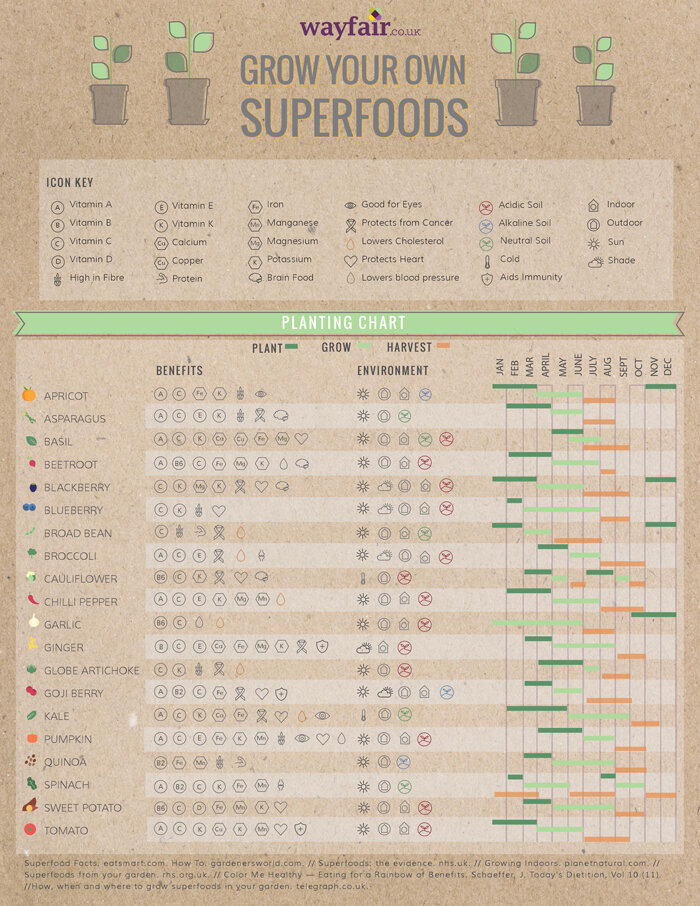
Garlic (allium sativum)

Garlic Why plant

Easy to grow and store.

Is there anything else that gives cooking such a zing?

Plant when all is autumn damp and darkness, but dream of sunny days, clear blue skies and long light evenings when harvested in July.

Interesting uses

Use to repel night time mosquitoes by placing cloves they gather, or by applying extracts on exposed parts of your skin.

Mix garlic cloves with pepper and a bit of soap to make your own garlic pesticide.

If you don’t have a bottle of adhesive or glue in your house take a clove, crush and rub juice on paper or glass. Adhesives made of garlic have been used to repair glass in China.

Origins

The garlic we know today is a domesticated crop native to central Asia around Kyrgyzstan, Tajikistan, Turkmenistan, and Uzbekistan. It’s related to the lily family, which includes onions, shallots, chives and leaks

Amongst the oldest known horticultural crops, the use of garlic spread across the world more than 5000 years ago, with evidence in China and Babylonia and mention in Indian and Egyptian cultures. It was worshipped by the Egyptians and fed to workers building the Great Pyramid at Giza to give them more stamina about 2600 BC. Greek athletes ate garlic to build their strength. Ancient Greeks and Romans claimed it repelled scorpions, helped bladder infections and dog bites and cured leprosy and asthma. It was thought that hanging garlic bulbs on doors would stop the spread of smallpox. Ancient Indians valued the medicinal properties of garlic and thought it to be an aphrodisiac. It was believed to cure several illnesses and promote a long life.

Garlic came to the Western Hemisphere with some of the first European explorers, and its use spread rapidly.

During World War I garlic was used as an antiseptic to disinfect open wounds and prevent gangrene.

Health benefits

When cut or crushed an enzyme in garlic combines with an amino acid, creating a new compound called allicin. This compound is known to kill twenty-three types of bacteria, including salmonella and staphylococcus.

A different compound is formed when garlic is heated. This compound can prevent arteries from clogging, and reduce blood pressure and cholesterol levels. Garlic has a blood-thinning quality which may be helpful in preventing heart attacks and strokes.

Garlic contains vitamins A, C, and B, which may prevent cancer by stimulating the immune system to eliminate toxins and combat carcinogens. Because of this it may become a valuable treatment for AIDS. People in China with the highest level of dietary garlic have a reduced risk of stomach cancer.

Garlic is known to kill 60 types of fungi and yeast such as athlete’s foot.

Planting

Garlic can be grown from seed but the normal method is to separate the bulb into cloves and plant these. Use the  plumpest bulbs from your previous year’s crop or bulbs bought from the greengrocer. Garden centres also sell garlic but will more expensive, though you may find this necessary if you’ve been using your own cloves for several seasons since there’s a risk of degradation of quality.

Plant in autumn choosing a sunny position in soil that is light and ideally contains plenty of organic material for good drainage. Avoid ground that may become water logged. Spring planting is also feasible in warmer areas.

Carefully break each bulb into its individual cloves and plant with pointed end upwards so the clove tip is just below the  surface of the soil. They should be in rows with six inches between each clove, twelve inches between each row.

Aftercare

There’s very little else to do… just keep them weed free!

Harvesting

Lift the garlic in summer when the foliage dies down, normally when about four of the leaves have gone brown. Ease the plants out of the ground with a fork to avoid damage. Dry the bulbs thoroughly in the sun and store them in a cool, dry place such as a shed or garage. Put a few of the best bulbs aside for planting next year’s crop.

Recipes

Garlic bread

Garlic and lemon green salad

Garlic and thyme glazed carrots

Garlic bacon butties

Garlic mashed potato bake

Common problems

  • Mould or rust may occur during prolonged wet periods. The bulbs need to be thrown away or burnt. During rainy periods give protection with a cloche, but allow ventilation.

  • Onion white rot causes the foliage to go yellow and wilt… check for fluffy white growths to confirm it’s onion white rot. Plants should be thrown away (not composted) and don’t grow garlic or onions in the same area for at least 8 years.

  • Leaf blight appears as white spots surrounded by light green on the leaves. Under moist conditions the fungi spread and the leaves will die and become dry. Spacing plants about a foot apart to allow for good airflow, and crop rotation, help control the disease.

  • Downy Mildew gives the leaves slightly lighter patches in the early stages that turn to brown as the disease gets worse. Parts affected will eventually fold over and die. When the stalks are affected they weaken and fall over. Use crop rotation and proper drainage to avoid.

  • Neck Rot shows as water soaked spots in the neck area, turning yellow. Gray mould appears between bulb scales and the bulb deteriorates. Usually appears just before harvest. Allow tops to mature well before harvest, avoid injury to bulbs at harvest and dry before placing in storage.


Garlic


My garlic cloves spaced out ready for planting


Thursday, 29 October 2009

The Pinnacle of Human Achievement

Horatio Nelson began his naval career at the tender age of 12 and rose through the ranks mostly in constant battle with the French, losing the sight in his right eye in 1793 at Corsica, and most of his right arm in 1797 at Tenerife when it was hit by a musketball. The Battle of Trafalgar in 1805 was Nelson’s last and greatest engagement and saw a decisive win under his command of a combined French and Spanish fleet. Towards the end of the battle Nelson was hit by a marksman from the Redoutable firing at a range of 50 feet. Nelson’s last words were: “Thank God, I have done my duty. Kiss me, Hardy.”

Following a series of successful discoveries David Livingstone returned to Africa In January 1866 to seek the source of The Nile. Thus started an expedition which was to last seven years and end in his death. He completely lost contact with the outside world for six years and was ill for the last four. After nothing was heard from him for many months Henry Stanley, an explorer and journalist, set out to find Livingstone. This resulted in their meeting near Lake Tanganyika in October 1871 during which Stanley uttered the famous phrase: 'Dr Livingstone I presume?' Livingstone did not achieve his objective, but was the first white man to see many geographical features such as Victoria Falls and became a national hero.

If you’re wondering where all of this is leading… during the week ending Tuesday 27 October 2009 John McKinnie (me, myself, the person writing this blog) became the first simultaneous holder of all the family trophies. The pitch and putt title was won against sons David and John on Thursday 22 October, the tennis title was retained on the same day against son in law Barry, on Sunday 25 October the month’s pool and darts title was grabbed under the most unlikely circumstances (went into the match needing to win by three clear games and managed it in spite of an attempt by John to chalk my head rather than the cue), and finally on Tuesday 27 October the squash title was ripped from son David’s grasp (including two 9-0 wins to me!). Disregard the fact that I’m the ONLY one who can hold all titles at once… carefully engineered so there’s a mixture of opponents.  Find the comparison to Nelson and Livingstone a bit tasteless? Don’t see why, I believe they were both rubbish at squash.

So I’m going into this afternoon’s pitch and putt with a lot riding on it and will probably go round in just under a thousand. Now impervious to my wife Linda’s usual reaction to a win by me (awwwww, isn’t David feeling very well?). And I’m not going to react to the scurrilous suggestion that they’re all letting me win since it’s my birthday tomorrow. I’ve been striving for months to reach this pinnacle of specialdom and I’m gonna milk it!

On the allotment I’ve planted garlic cloves & Japanese senshyu onion seed this week,  as well as planting out my lettuce seedlings. Got a surprise when a large brown beetle squeezed its way out of the spout of one of the water barrels. Turned out to be a great diving beetle.

Saturday, 24 October 2009

My oldest ancestor

I’ve discovered I’m descended from a unique individual who was born about 6,000 BC. For the first few months after birth this baby appeared no different from any other, but gradually as its first birthday approached something startling happened which made the baby different from any other person alive on earth, different from any other person who had ever lived.

The baby was born to parents living around the Black Sea during the Neolithic period when humans lived in small tribes and were moving from an existence of hunter-gatherers into more settled units who lived by agriculture. A genetic mutation meant the baby had a reduced amount of melanin in the iris of its eyes. The baby was the first human being whose eyes were blue.

Goodness knows what the mother thought as she stared at her baby’s face. Fortunately it appears the mutation was regarded as a good omen, otherwise the baby probably wouldn’t have survived… and I wouldn’t be here.

There’s now probably less than 10% of the world’s population that has blue eyes, under 25% for Caucasians, and it’s becoming increasingly more rare as humans intermarry between ethnic groups.

It was actually my left handedness that brought up thoughts of things genetic. About 8% of humans are cack handed. None of our four children are left handed, not surprising since we should have gone on to have another six before having a left hander. But BOTH my grandsons are left handed, and the jury’s out on my two granddaughters… they’re too young at present to be consistent. Since there’s no other instance of left handedness in the families I know that trait has come from my dad, to me, skipped a generation with my children and landed up with my grandchildren. They also have pale blue eyes like me and my dad, but the origin for that is less certain since I’m not the only family member with blue eyes.

It’s set me pondering about physical traits passed down. Linda has done a fantastic job on our family history, ending up with over 320 individuals on our family tree dating back as far as 1688, and yet more to come when we crack my dad’s side of the family, where we’ve only managed to get back as far as my Irish great grandparents born about 1850. But isn’t it a pity a note of physical traits aren’t kept to help understand why we look as we do. My eldest daughter Becky has the long face of her great grandmother McKinnie (nee Francis Dolan Nicol), passed from my dad, through me, to her. Or my eldest son David, who has the dark features of the Richardsons from Lancaster passed through Linda’s mum.

Was definitely feeling the presence of the dearly departed when making my first night allotment visit of the autumn to tend the feathered fiends. Working Tuesdays and Wednesdays, I won’t be seeing light on these evening visits until Spring.

Parking in the cemetery is probably not a good start to make on a dark and windy night, but all went well until I walked onto my plot. From the corner of my blue eye I suddenly noticed a shadowy image keeping pace with me on the adjoining plot. Nearly jumped out of my skin until I realised it was a shadow cast from the lamp I was carrying. More was to come as I walked back to the cemetery, with shadows rising from the uneven ground all around me.

When I’m doing the chickens I wear a head lamp which gives a false sense of security… all appears bright in front, but of course you stand out for miles and can’t see a thing beyond the edge of darkness. Try desperately not to think of one of my favourite science fiction films, Pitch Black… to see why I’d rather not think of it click here for a short preview.

Had our annual meeting of the Hill Rise Allotment Association last week. Usual ducking and diving when it came to the election of ‘volunteers’ to fill the various posts. I came away with the position of Secretary. To view a copy of our minutes from that meeting click here.

Video clips and photos below from the last week. Thanks for reading my blog. John

Your browser is not able to display this multimedia content.

Your browser is not able to display this multimedia content.

Your browser is not able to display this multimedia content.